
White hair can be a stunning feature, radiating elegance, wisdom, and individuality. Whether you’ve embraced your natural silver strands or chosen this striking shade intentionally, your hair color opens up a world of fashion possibilities that can truly make you stand out. However, choosing the right clothing colors to complement this striking hair color can be a challenge for many. With the right palette, you can enhance your natural beauty, express your personal style, and make a lasting impression wherever you go.
Understanding which colors work best with white hair is essential for building a cohesive and stylish wardrobe. From soft pastels to bold jewel tones, the right shades can bring warmth to your look, highlight your features, and give you a timeless, confident presence. The beauty of white hair lies in its versatility—it acts as a neutral canvas that can pair beautifully with an extensive range of colors, from the most subtle to the most vibrant. In this comprehensive guide, we’ll explore the best clothing colors for white hair, giving you a complete roadmap to making fashion choices that let you shine at every age and in every setting.
Gone are the days when people with white or silver hair felt limited to wearing muted, “age-appropriate” colors. Today’s fashion landscape celebrates white hair as a statement of confidence, sophistication, and timeless beauty. Whether you’re attending a formal gala, heading to the office, enjoying a casual weekend brunch, or simply running errands, this guide will help you select colors that enhance your unique features and let your personality shine through.
🔑 Key Points to Consider
Before diving into specific color recommendations, it’s important to understand the fundamental principles that will guide your wardrobe choices. These key points serve as the foundation for building a cohesive, flattering, and versatile collection of clothing that works harmoniously with your white hair.
✨ Complementary Colors: Certain colors naturally enhance the elegance of white hair by creating visual harmony or striking contrast. Understanding color theory basics can help you make intuitive choices that always look put-together.
✨ Skin Undertone: Understanding your undertone helps in selecting the most flattering shades. Your skin’s natural warmth or coolness plays a crucial role in determining which colors will make you glow versus which might wash you out.
✨ Occasion Appropriateness: Different settings may call for different color choices. A power meeting might call for deep navy, while a garden party invites soft florals and pastels.
✨ Fabric Types: Textures can influence how colors look against white hair. A matte burgundy wool sweater will read differently than a shiny burgundy silk blouse, even though they’re the same color.
✨ Layering Techniques: Layers can add depth and interest to your outfit while allowing you to incorporate multiple flattering colors in one look.
✨ Accessorizing: Accessories tie your look together and provide opportunities to introduce accent colors that complement both your clothing and your hair.
✨ Personal Style: Ultimately, your wardrobe should reflect your personality and preferences. Rules are meant to be guidelines—your comfort and confidence matter most.
✨ Seasonal Considerations: Different times of year offer unique opportunities to explore color palettes that align with natural seasonal tones.
✨ Makeup Coordination: Your clothing colors should work harmoniously with your makeup choices to create a cohesive overall appearance.
✨ Lighting Awareness: Colors can appear differently under various lighting conditions, so consider where you’ll be wearing certain outfits when making selections.
🎨 Understanding Skin Undertones

Before diving into color choices, it’s crucial to assess your skin undertone. This sets the foundation for selecting shades that will complement your white hair beautifully. Your undertone remains constant throughout your life, regardless of tanning or aging, making it a reliable guide for color selection. Skin undertones typically fall into three categories: cool, warm, and neutral.
❄️ Cool undertones: If you have cool undertones, you’ll notice pink, blue, or purple hues in your skin, particularly visible in the veins on your wrist (which appear more blue than green). Your skin may burn easily in the sun, and you likely look best in silver jewelry. Colors like royal blue, emerald green, lavender, cool greys, icy pink, and true white work beautifully with cool undertones. These shades create harmony with the natural coolness in your complexion while making your white hair appear luminous and refined.
🔥 Warm undertones: Warm undertones manifest as golden, peachy, or yellow hues in the skin. Your veins may appear more green, you tan easily, and gold jewelry typically flatters you more than silver. Earthy tones like terracotta, coral, warm red, mustard yellow, olive green, and cream bring out a natural glow in your complexion. These warm shades create a beautiful contrast with white hair while adding vibrancy and life to your overall appearance.
⚖️ Neutral undertones: If you have neutral undertones, you have a balanced mix of cool and warm, which means you can wear a versatile range of colors successfully. Your veins might appear both blue and green, and both gold and silver jewelry look equally flattering on you. Colors like taupe, beige, navy, rose, dusty blue, sage green, and soft burgundy all work beautifully. This versatility is a significant advantage when building a wardrobe, as it gives you the freedom to experiment with both warm and cool palettes.
Identifying your undertone helps you choose colors that not only highlight your white hair but also enhance your natural beauty. If you’re unsure about your undertone, try holding different colored fabrics near your face in natural light. Pay attention to which colors make your skin appear brighter and more radiant versus which ones make you look tired or washed out. You can also ask a trusted friend or visit a professional color consultant for personalized guidance.
Remember that while undertones provide excellent guidelines, they shouldn’t be treated as strict rules. Many people with white hair find that they can successfully wear colors outside their traditional undertone palette, especially if they balance them with complementary accessories or makeup. The key is to experiment and trust your instincts about what makes you feel most confident and beautiful.
🌈 Best Clothing Colors for White Hair
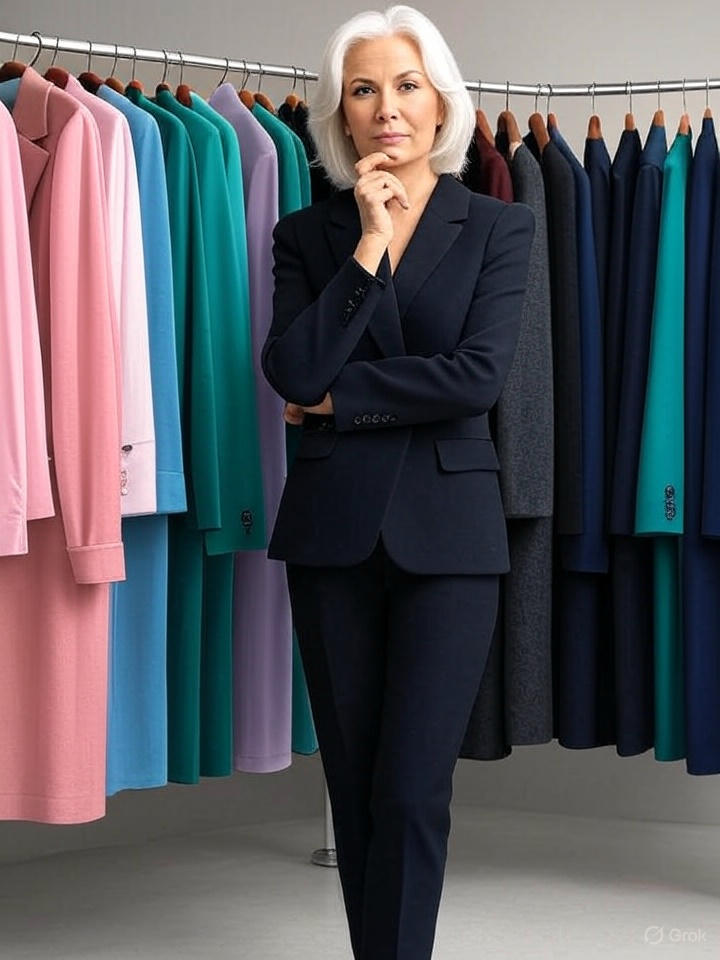
When it comes to selecting clothing colors that flatter white hair, there’s a delightful spectrum to choose from. The beauty of white hair is that it acts as a neutral backdrop, much like a blank canvas, allowing you to experiment with a wide range of hues. Let’s explore the most flattering colors in detail, breaking them down by undertone compatibility and the effects they create:
Pastel Pink — Cool — This delicate shade softens features and creates a feminine, romantic glow. Pastel pink works exceptionally well for spring and summer occasions, bringing a fresh, youthful energy to your look without overwhelming your natural coloring. Try a blush pink blouse with white trousers for an effortlessly elegant ensemble.
Emerald Green — Warm — This rich, luxurious shade adds a vibrant pop of color that feels warm and inviting. Emerald green creates a stunning contrast with white hair, making both the color and your hair appear more vivid. This jewel tone works beautifully for evening events and holiday gatherings, instantly elevating any outfit to sophisticated status.
Navy Blue — Neutral — A timeless classic that provides sophisticated contrast while remaining universally flattering. Navy is more forgiving than black and creates a polished, professional appearance. It’s perfect for work settings, formal events, and everyday wear, making it an essential foundation color for any wardrobe.
Burgundy — Warm — This wine-inspired hue offers rich depth that enhances warmth in your complexion while creating beautiful harmony with white hair. Burgundy works wonderfully in fall and winter, adding sophistication to both casual and formal outfits. A burgundy cashmere sweater or tailored blazer makes an instantly stylish statement.
Charcoal Grey — Cool — Chic, modern, and incredibly versatile, charcoal grey creates a balanced look that’s less harsh than black. This sophisticated neutral works year-round and pairs beautifully with virtually any accent color. It’s particularly effective for professional settings and creates a sleek, contemporary aesthetic.
Lavender — Cool/Neutral — This fresh, calming shade brings a stylish, contemporary feel to your wardrobe. Lavender complements white hair beautifully, creating a soft, harmonious look that’s both elegant and approachable. It works particularly well for spring events, casual outings, and romantic occasions.
Teal — Neutral/Warm — This balanced, vibrant shade combines the calmness of blue with the energy of green, creating a versatile color that flatters most skin tones. Teal adds visual interest without being overwhelming and works beautifully across all seasons and occasions.
Coral — Warm — This lively, cheerful shade adds energy and warmth to your appearance. Coral works wonderfully in summer months and brings a healthy, radiant glow to your complexion while creating a pleasing contrast with white hair.
Royal Blue — Cool — A bold, striking choice that creates dramatic contrast with white hair. Royal blue commands attention and conveys confidence, making it ideal for occasions when you want to make a memorable impression.
Cream and Ivory — Neutral — These soft, warm whites create a monochromatic effect that’s incredibly sophisticated. Rather than matching your hair exactly, cream and ivory complement it, creating an elegant, cohesive look that’s particularly stunning for formal occasions.
Deep Purple — Cool — Rich and regal, deep purple adds drama and sophistication while complementing the cool tones often present in white hair. This luxurious shade works beautifully for evening events and adds instant elegance to any outfit.
Soft Rose — Neutral — A muted, sophisticated pink that flatters nearly everyone. Soft rose adds warmth without being overpowering, creating a refined, feminine look that works for both professional and social settings.
🎭 The Psychology of Color and White Hair
Understanding color psychology can help you make more intentional choices about the messages your outfit conveys. Colors don’t just affect how you look—they influence how you feel and how others perceive you. For individuals with white hair, certain color choices can reinforce positive associations while challenging outdated stereotypes about aging.
Blue shades communicate trust, stability, and wisdom—qualities that pair naturally with the distinguished appearance of white hair. Wearing blue to professional settings reinforces your credibility and expertise, making it an excellent choice for important meetings, presentations, or leadership roles.
Green tones represent growth, harmony, and renewal. Choosing green demonstrates vitality and connection to nature, challenging any assumptions that white hair signifies slowing down. Forest green and emerald particularly convey prosperity and refinement.
Purple and lavender have long been associated with creativity, spirituality, and luxury. These shades suggest imagination and unconventional thinking, making them wonderful choices when you want to express your unique perspective or artistic sensibilities.
Red and burgundy convey passion, energy, and confidence. These powerful shades make a bold statement and demonstrate that white hair is anything but subdued. Wearing red shows the world that you’re vibrant, engaged, and unapologetically yourself.
Pink shades, from soft blush to vibrant fuchsia, communicate warmth, approachability, and optimism. These colors can soften your overall appearance while adding a touch of playfulness and youthful energy to your look.
Black represents elegance, power, and sophistication. While some shy away from black with white hair, it actually creates one of the most striking contrasts possible, making your hair appear even more luminous and your overall look incredibly polished.
🧥 Layering Techniques for Enhanced Style
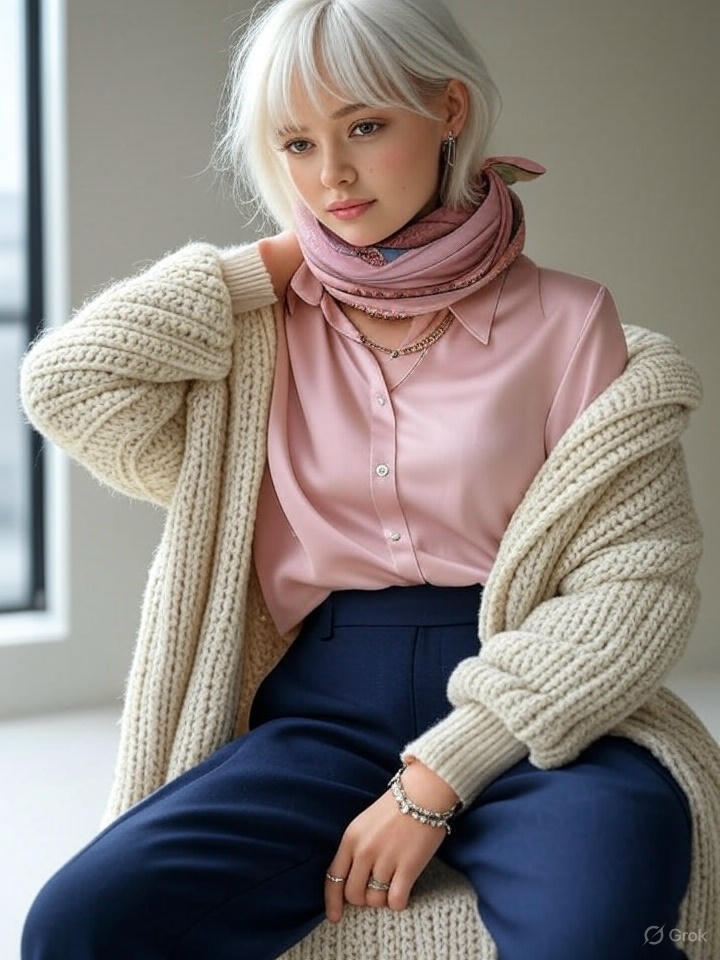
Layering is a powerful tool for enhancing your wardrobe, especially with white hair. It allows you to mix colors and textures, creating a dynamic, sophisticated look that adds visual interest and dimension to your outfits. Mastering the art of layering can transform simple pieces into stunning ensembles that showcase your style expertise.
💡 Tips for Successful Layering:
✨ Use Different Textures: Combine materials like silk, denim, wool, cashmere, and leather to create visual depth. A silk blouse under a chunky knit cardigan in charcoal grey looks incredibly chic and adds sophistication to your look. The interplay of textures catches the light differently, adding movement and interest to your outfit. Consider pairing a smooth cotton shirt with a textured tweed jacket, or a soft velvet top with structured denim.
✨ Balance Colors: Pair light with dark for depth and visual harmony. Try a lavender tank under a navy blazer for a refined look that combines softness with structure. When layering multiple colors, aim for a cohesive palette—choose colors that share similar undertones or that appear adjacent on the color wheel. For a more dramatic effect, layer complementary colors like purple and gold or blue and coral.
✨ Accessorize Wisely: Scarves, vests, and lightweight jackets can add layers of color without overwhelming the outfit. A silk scarf in a complementary pattern can tie together multiple colors in your outfit while framing your face beautifully. Choose scarves with colors that appear elsewhere in your outfit for a polished, intentional look.
✨ Consider Proportions: When layering, pay attention to the proportions of each piece. Pair fitted pieces with looser ones to create a balanced silhouette. A slim turtleneck under an oversized cardigan, or a fitted blazer over a flowing blouse, creates visual interest while maintaining a polished appearance.
✨ Think About Necklines: Layer necklines strategically to create visual interest near your face. A V-neck sweater over a collared shirt, or a crew neck under a blazer with a different neckline, draws the eye upward and frames your white hair beautifully.
✨ Use the Rule of Three: Professional stylists often recommend wearing no more than three colors in one outfit (not including neutrals). This creates a cohesive look without appearing cluttered. With white hair, you have a natural “fourth color” at the top of your outfit, so keeping your clothing colors limited helps maintain visual harmony.
✨ Invest in Quality Basics: High-quality layering pieces in neutral colors form the foundation of a versatile wardrobe. A well-made white shirt, a classic navy blazer, and a quality cashmere cardigan can be layered countless ways to create new looks.
🎀 Patterns and Prints: A Complete Guide
While solid colors are foundational, patterns and prints add personality, visual interest, and a sense of playfulness to your wardrobe. White hair provides an excellent neutral backdrop that allows you to experiment with patterns you might have hesitated to try before. The key is understanding which patterns work best and how to incorporate them effectively.
🌸 Florals: Floral prints work beautifully with white hair, particularly when they incorporate colors that flatter your skin tone. Opt for florals with a darker background (navy, black, or deep green) for a more sophisticated look, or choose light backgrounds for a fresh, spring-like appearance. Scale matters—large, bold florals make a statement, while smaller prints appear more subtle and refined.
📏 Stripes: Vertical stripes create a lengthening effect and appear inherently polished. Navy and white stripes are a classic combination that pairs perfectly with white hair. For more visual interest, try stripes in unexpected colors like burgundy and cream or teal and ivory. Horizontal stripes can work well too, especially in bold, contrasting colors that create visual impact.
🔷 Geometric Prints: Abstract and geometric patterns add modern sophistication to your wardrobe. Look for patterns that incorporate at least one of your most flattering solid colors. Black and white geometric prints are particularly striking with white hair, creating a contemporary, artistic aesthetic.
🏴 Plaids and Tartans: These classic patterns work wonderfully in fall and winter. Choose plaids that incorporate flattering colors like burgundy, navy, forest green, or charcoal. A plaid scarf, shirt, or blazer adds heritage and warmth to your look while providing visual interest near your face.
🐆 Animal Prints: Leopard, zebra, and other animal prints can be incredibly chic with white hair when worn as accents. A leopard print scarf, belt, shoes, or handbag adds edge and personality without overwhelming your outfit. For the bold, an animal print blouse or dress makes a striking statement.
🎨 Abstract Prints: Watercolor effects, painterly patterns, and abstract designs bring artistic flair to your wardrobe. These prints work particularly well for special occasions and social events, conveying creativity and sophistication.
Pattern Mixing Tips: If you’re feeling adventurous, pattern mixing can create stunning, fashion-forward looks. The key is to keep patterns in the same color family and vary the scale—pair a small print with a larger one. For example, a small-scale polka dot blouse under a large-check blazer in coordinating colors creates visual interest while maintaining cohesion.
💎 Accessorizing for a Cohesive Look
Accessories are the finishing touch that pulls an outfit together and provides the perfect opportunity to express your personal style. For those with white hair, accessories can frame your face, highlight your hair’s elegance, and add pops of color or sparkle that elevate even the simplest outfit to something special.
✨ Jewelry Selection:
👑 Metals: Both silver and gold look fabulous with white hair, so don’t limit yourself to one or the other. Silver creates a cool, harmonious effect that complements white hair naturally, while gold adds warmth and richness. Rose gold offers a beautiful middle ground that flatters most skin tones. Consider your outfit’s color palette when choosing metals—silver pairs beautifully with cool colors like navy and lavender, while gold complements warmer tones like burgundy and emerald.
💎 Statement Pieces: Choose bold necklaces or dramatic earrings to add interest and draw attention to your face. A striking pendant necklace, oversized hoop earrings, or a chunky cuff bracelet can transform a simple outfit into something extraordinary. With white hair providing a neutral backdrop, you can go bolder with jewelry than you might have in the past.
💍 Gemstones: Colored gemstones can tie your accessories to your outfit while adding sparkle and personality. Amethyst, sapphire, emerald, and ruby all look stunning against white hair. Pearl jewelry, in particular, creates an elegant, classic look that pairs beautifully with silver or white hair.
👜 Bags and Footwear: Coordinate your handbag and shoes with your main clothing colors for a cohesive look, or use them as an opportunity to introduce an accent color. A navy outfit with burgundy accessories, for example, creates sophisticated visual interest. Metallic shoes and bags—in gold, silver, or rose gold—work as neutrals and pair with almost any color palette.
🧣 Hats and Scarves: These versatile accessories are both functional and stylish, perfect for adding pops of color and warmth while framing your face. A silk scarf in a complementary color can be worn around your neck, tied to a handbag, or even used as a headband. Hats not only protect from the elements but can also add personality and style to any outfit. Felt fedoras, straw sun hats, and knit beanies all work wonderfully with white hair.
🕶️ Eyewear: Glasses and sunglasses are worn near your face all day, making them one of your most important accessories. Consider frames in colors that complement both your skin tone and wardrobe. Bold, colorful frames can serve as statement pieces, while classic shapes in tortoiseshell, black, or metal become versatile staples.
⌚ Watches and Belts: These functional accessories offer opportunities to add polish and personality. A quality watch with a leather or metal band adds sophistication, while belts can define your waist and introduce accent colors to your outfit.
👗 Dressing for Different Occasions
Every occasion calls for a different approach to color and style. Knowing how to adapt your wardrobe ensures you always feel confident, appropriately dressed, and elegant regardless of the setting. White hair gives you a sophisticated advantage in many situations—embrace it and let your colors work with your natural elegance.
☕ Casual Outings: For everyday activities like brunch with friends, shopping, or casual get-togethers, soft pastels or light neutrals like lavender, taupe, soft rose, or light grey create a relaxed yet polished look. Comfortable fabrics like cotton, linen, and soft knits work best. Don’t be afraid to add a pop of color through a scarf, bag, or fun jewelry piece. A simple pair of well-fitted jeans with a lavender cashmere sweater and white sneakers epitomizes effortless weekend style.
👠 Formal Events: Galas, weddings, and elegant dinners call for rich jewel tones like emerald green, sapphire blue, ruby red, or deep purple. These sophisticated shades convey elegance and make a memorable impression. Choose luxurious fabrics like silk, satin, velvet, or chiffon to elevate your look further. Statement jewelry in gold or silver adds the perfect finishing touch. A floor-length emerald gown with gold accessories creates a truly stunning formal appearance.
🖋️ Work Attire: Professional settings benefit from classic shades like navy, charcoal grey, black, or deep burgundy, which exude competence and authority. Add subtle pops of color through blouses, scarves, or accessories to prevent looking too severe. A navy suit with a soft pink blouse strikes the perfect balance between professional and approachable. For creative industries, don’t hesitate to incorporate bolder colors and more expressive accessories.
🌙 Evening Wear: For dinners out, cocktail parties, and nighttime events, darker hues like black, midnight blue, deep purple, or rich burgundy add drama and sophistication. These colors catch the light beautifully under evening lighting and create a glamorous appearance. Metallic accents—whether in your clothing, jewelry, or accessories—add sparkle and festivity to your nighttime look.
🌴 Vacation and Resort Wear: Holiday destinations invite brighter, more playful colors. Coral, turquoise, sunny yellow, and tropical prints all look fantastic with white hair and suit the relaxed vacation atmosphere perfectly. Lightweight fabrics and comfortable silhouettes keep you cool while looking effortlessly chic.
🏃 Active and Athletic Wear: Even your workout wardrobe can benefit from thoughtful color choices. Jewel tones like teal, berry, and royal blue look polished and put-together, while black and navy provide classic, slimming options. Many athletic brands now offer sophisticated color palettes that work beautifully with white hair.
🎭 Cultural and Religious Events: Depending on the occasion, you may need to consider traditional color meanings and dress codes. Classic colors like navy, burgundy, cream, and black typically work well for most cultural events, but always check specific guidelines when appropriate.
🍂 Seasonal Color Palettes for White Hair
Each season brings unique opportunities to refresh your wardrobe with colors that reflect the changing natural world while continuing to flatter your white hair. Understanding seasonal palettes helps you stay fashion-forward while maintaining a cohesive, intentional wardrobe throughout the year.
🌸 Spring Colors: As nature awakens, embrace fresh, light colors that mirror the season’s renewal. Soft lavender, blush pink, mint green, powder blue, and buttercream yellow all capture spring’s optimistic energy. These gentle pastels complement white hair beautifully without overwhelming your delicate coloring. Floral prints in these soft hues feel perfectly seasonal, whether on a dress, blouse, or scarf.
☀️ Summer Colors: Summer invites brighter, more saturated colors that reflect the season’s energy and sunshine. Coral, turquoise, bright navy, white, watermelon pink, and sunny yellow all work wonderfully. These vibrant shades create beautiful contrast with white hair while conveying warmth and vitality. Light, breathable fabrics in these colors keep you cool and stylish during the warmest months.
🍁 Fall Colors: Autumn’s rich palette includes the most universally flattering colors for white hair. Burgundy, forest green, burnt orange, mustard, rust, chocolate brown, and deep teal all capture the season’s warmth and sophistication. These earthy, saturated tones add richness to your appearance while harmonizing with the changing foliage. Layering becomes essential—combine these warm tones in different textures for visual depth.
❄️ Winter Colors: The colder months call for deeper, more dramatic colors. Jewel tones like emerald, sapphire, amethyst, and ruby create stunning contrast with white hair and ice-blue winter light. Classic winter colors like black, charcoal, cream, and burgundy provide sophisticated options for holiday events and everyday wear. Metallics—gold, silver, and rose gold—add festive sparkle to winter celebrations.
Transitional Season Tips: During seasonal transitions, you can blend palettes by combining pieces from adjacent seasons. A summer coral scarf can transition a fall navy outfit into early autumn, while a winter emerald cardigan can brighten a spring pastel dress. This approach extends your wardrobe’s versatility while ensuring you’re never wearing something that feels seasonally inappropriate.
👚 Capsule Wardrobe for White Hair

A capsule wardrobe is a curated collection of versatile, high-quality pieces that can be mixed and matched to create numerous outfits. Building a capsule wardrobe around colors that flatter white hair makes getting dressed effortless while ensuring you always look pulled-together and stylish. Here’s a comprehensive guide to building your ideal capsule wardrobe:
Foundation Pieces:
Blazers — Navy, charcoal grey, cream — These professional, versatile pieces work for both professional and casual settings. A well-fitted blazer instantly elevates any outfit and provides opportunities for layering and adding structure to softer pieces.
Blouses — Lavender, pastel pink, cream, white, soft blue — Soft, feminine options that flatter your coloring and work across multiple occasions. Choose materials like silk, cotton, or quality polyester blends that drape well and feel comfortable against your skin.
Pants/Trousers — Navy, charcoal, taupe, black — These neutral bottoms mix and match with virtually any top in your wardrobe. Invest in classic cuts that fit well and can transition from work to weekend with different styling.
Skirts — Navy, burgundy, charcoal, cream — Versatile skirts in flattering lengths add variety to your wardrobe. A pencil skirt works for professional settings, while A-line silhouettes suit casual occasions.
Dresses — Emerald green, navy, black, burgundy — Sophisticated, complete outfits that require minimal styling effort. One or two well-fitting dresses in flattering colors can serve countless occasions from work events to dinner parties.
Knitwear — Lavender, cream, navy, charcoal, burgundy — Cozy sweaters and cardigans work across seasons and provide warmth and texture. Choose quality fabrics like cashmere, merino wool, or high-quality cotton blends.
Outerwear — Navy, charcoal, camel, black — Coats and jackets in neutral colors work with everything in your wardrobe. Invest in quality pieces that will last for years and provide the finishing touch to every outfit.
Accessories — Silver and gold jewelry, pastel scarves, leather belts and handbags in neutral tones — These finishing touches add personality and tie your outfits together. A carefully curated accessory collection multiplies the styling possibilities of your capsule wardrobe.
Capsule Wardrobe Tips: Start with approximately 30-40 pieces including accessories. Choose items that can each pair with at least three other pieces in your wardrobe. Invest in quality over quantity—well-made pieces in flattering colors will serve you better than a closet full of trendy items you rarely wear.
💄 Makeup Colors That Complement Your Wardrobe
Your makeup choices work in harmony with your clothing colors to create a cohesive overall appearance. For those with white hair, makeup provides an opportunity to add warmth, definition, and polish while complementing your outfit choices. Here’s how to coordinate your makeup with your wardrobe:
💋 Lip Colors: Your lip color can either coordinate with your outfit or provide a beautiful contrast. Berry and burgundy lips pair beautifully with cool-toned outfits in navy, grey, and purple. Coral and peach shades complement warm colors like emerald, gold, and cream. Classic red works as a neutral that elevates almost any color palette. For a foolproof approach, carry a nude lip color and a statement shade that works with your most-worn clothing colors.
👁️ Eye Makeup: Eye shadows can subtly echo colors in your outfit for a polished, intentional look. If you’re wearing emerald, try a soft bronze eye. With burgundy clothing, a warm taupe or soft plum looks beautiful. Navy outfits pair nicely with soft grey or subtle blue-toned shadows. For everyday wear, neutral shadow palettes in warm or cool tones (depending on your undertone) provide versatile options that work with any outfit.
🩷 Blush: The right blush adds healthy color to your complexion and ties your skin tone to your clothing colors. Soft rose and mauve work with cool-toned outfits, while coral and peach complement warmer colors. For a harmonious look, choose a blush that picks up a subtle tone from your outfit.
✨ Highlighter: A subtle highlighter on cheekbones, brow bones, and cupid’s bow adds luminosity that catches light beautifully against white hair. Choose champagne or silver-toned highlighters for cool outfits, and gold or rose gold for warmer palettes.
🖊️ Brow Products: Well-groomed brows frame your face and provide definition. With white hair, you can choose brow products that match your natural brow color or opt for a soft grey or taupe that creates gentle definition without appearing too harsh.
⚠️ Colors to Approach with Caution
While white hair is remarkably versatile, certain colors can be challenging and may require careful consideration. This doesn’t mean you should never wear these shades—rather, you should approach them thoughtfully and know how to style them successfully.
🟨 Beige and Tan: These colors can sometimes wash out fair skin tones, making your overall appearance look flat or tired. If you love these neutral tones, try wearing them away from your face—in trousers, skirts, or shoes—and pairing them with a more vibrant top. Adding colorful accessories can also break up the monochromatic effect.
🟧 Neon Colors: Extremely bright neon shades can clash with the softness of white hair and overwhelm your overall appearance. If you’re drawn to bright colors, opt for saturated but not neon versions—vivid coral rather than neon orange, or rich turquoise rather than electric blue.
🔘 Certain Greys: While charcoal and silver grey look stunning with white hair, medium grey can sometimes read as dull or create too much of a monochromatic effect. If you love grey, choose shades that are distinctly lighter or darker than your hair for contrast and visual interest.
⬜ Pure White: Wearing bright white near your face can sometimes create a washed-out effect if your hair is on the silver or ivory end of the white spectrum. Off-white, cream, and ivory typically flatter more universally, creating subtle contrast rather than competition with your hair color.
🟤 Muddy Colors: Dull, muddy tones—like olive drab, brownish purple, or murky mustard—can sometimes make complexions appear sallow or tired. Opt instead for clear, clean versions of similar colors—true olive, rich eggplant, or bright mustard—for a more flattering effect.
How to Wear Challenging Colors: If you love a color that doesn’t naturally flatter you, simply keep it away from your face. Wear it in trousers, a skirt, or a handbag while choosing a more flattering color for tops and scarves. Strategic makeup can also help balance colors that might otherwise wash you out.
🛍️ Shopping Tips for Building Your Wardrobe
Building a wardrobe that flatters your white hair requires thoughtful shopping strategies. These tips will help you make wise purchases that serve you well for years to come.
🪞 Try Before You Buy: Colors can look very different on hangers versus on your body. Always try clothes on and assess how colors look near your face in good lighting. If shopping online, order from retailers with easy return policies so you can try pieces at home.
💡 Assess in Natural Light: Store lighting can be deceiving. If possible, step near a window or ask to step outside for a moment to see how colors truly appear. This is especially important for neutrals and subtle shades.
📸 Take Photos: Take photos of yourself in potential purchases. Seeing yourself in photos often reveals what your eye might miss in the mirror. Compare photos of different colors to see which truly flatters you most.
🎨 Know Your Best Colors: Keep a list of your most flattering colors in your phone or wallet for reference while shopping. This prevents impulse purchases in unflattering shades and helps you stay focused on building a cohesive wardrobe.
👔 Invest in Quality Basics: Spend more on foundation pieces in your best neutral colors—these workhorses of your wardrobe will get the most wear. Save money on trendy pieces that you’ll wear less frequently.
🧵 Consider Alterations: A perfectly fitting garment in a flattering color will always look better than an ill-fitting one. Budget for alterations when purchasing investment pieces to ensure they fit impeccably.
♻️ Shop Your Closet First: Before buying new pieces, assess what you already own. You may have forgotten about items in flattering colors that simply need restyling or could work with new accessories.
💖 Embracing Your Personal Style
While color theory, undertones, and fashion guidelines are helpful tools, your personal style should always take center stage. Fashion is ultimately about self-expression, confidence, and feeling like the best version of yourself. Here’s how to embrace your unique style while making the most of your white hair:
🌸 Experiment with Patterns: Don’t shy away from stripes, florals, geometric prints, and abstract designs. Patterns add fun, personality, and visual interest to your wardrobe. Start with patterns that incorporate your most flattering solid colors, then gradually expand your comfort zone.
👗 Incorporate Trends Thoughtfully: Stay up-to-date with seasonal trends, but adapt them to your personal style and coloring. Not every trend will suit everyone, and that’s perfectly fine. Choose the trends that resonate with you and enhance your existing wardrobe.
💪 Choose Confidence: Ultimately, the most important thing you can wear is confidence. If a color makes you feel powerful, beautiful, and authentic, that energy will radiate outward regardless of what any color guide says. Trust your instincts and wear what makes you feel your best.
🌟 Break the Rules: Fashion “rules” are really just guidelines. If you love a color that’s not traditionally recommended for your undertone or hair color, find ways to make it work. You might wear it away from your face, pair it with more flattering shades, or simply embrace it because it makes you happy.
🎭 Define Your Style Identity: Consider what words you want your style to communicate. Classic? Edgy? Romantic? Minimalist? Bohemian? Your style identity should guide your color choices and overall wardrobe direction.
💝 Celebrate Your Journey: White hair often represents a journey—whether natural aging, a conscious style choice, or a health experience. Let your wardrobe celebrate who you are now while honoring your history. Your clothes should tell a story that feels authentic to you.
✨ Celebrity Inspiration for White Hair Fashion
Looking to celebrities and style icons with white or silver hair can provide valuable inspiration for your own wardrobe. These individuals demonstrate how to wear various colors confidently and stylishly at any age.
Many fashion-forward celebrities embrace white hair with bold color choices. Some opt for dramatic black gowns on red carpets, creating stunning contrast. Others champion jewel tones like emerald and sapphire that make their silver hair appear even more luminous. Still others favor soft, romantic colors like blush and lavender for a feminine, approachable aesthetic.
Notice how stylish individuals with white hair often follow similar principles: they choose colors with intention, pay attention to how shades photograph, and aren’t afraid to make bold choices. They accessorize thoughtfully, with quality jewelry and well-coordinated bags and shoes. Most importantly, they wear their chosen colors with confidence that makes every outfit look intentional and polished.
You don’t need a celebrity budget or stylist to achieve a similar effect. Simply observe what works on others with similar coloring, adapt those principles to your lifestyle and budget, and remember that confidence is the ultimate accessory.
❓ Frequently Asked Questions
🤔 What colors should I avoid with white hair?
While white hair is remarkably versatile, some colors require extra consideration. Beige and neon shades can sometimes clash with white hair’s elegance or wash out complexions. Medium grey may create too much of a monochromatic effect. However, rather than avoiding colors entirely, try wearing challenging shades away from your face or pairing them with more flattering tones. Personal preference and confidence often matter more than strict color rules, so if you love a particular shade, experiment with ways to make it work for you.
🖤 Can I wear black with white hair?
Absolutely! Black creates one of the most striking and sophisticated contrasts with white hair. Far from washing you out, black can actually make your white hair appear more luminous while providing an elegant, timeless backdrop for your features. To prevent an overly severe look, consider adding softer elements like delicate jewelry, a colorful scarf near your face, or a pop of color in your lipstick. Black is endlessly versatile and should definitely have a place in your wardrobe.
🍂 Are there seasonal color trends for white hair?
Yes! Each season offers unique color opportunities that flatter white hair beautifully. Spring invites soft pastels like lavender, blush, and mint. Summer calls for brighter, more saturated shades like coral, turquoise, and sunny yellow. Fall’s rich palette includes burgundy, forest green, and warm rust. Winter welcomes dramatic jewel tones alongside classic black, charcoal, and festive metallics. Your capsule wardrobe should include pieces that transition across seasons while incorporating seasonal accent pieces that keep your look fresh and current.
💭 How can I choose colors that suit my personality?
The best approach is to pick colors that make you feel confident, happy, and authentically yourself. Consider what emotions you want your clothes to convey—energy and boldness call for saturated jewel tones and vibrant shades, while calm and approachability might suggest softer pastels and comfortable neutrals. Think about compliments you’ve received on specific colors and how you feel when wearing them. Your instincts about what suits you are often correct, so trust your gut and choose colors that bring you joy.
👗 Do I need to change my colors as I age?
Not necessarily. While skin and hair may change over time, your undertone typically remains consistent, meaning colors that flattered you decades ago often still work beautifully. You might naturally adjust your palette to reflect your evolving style preferences—perhaps shifting from bold brights to sophisticated jewel tones, or vice versa—but age itself isn’t a reason to abandon favorite colors. The key is finding shades that make you feel your best at every stage of life and wearing them with confidence.
💍 Which jewelry metals work best with white hair?
Both silver and gold look beautiful with white hair, so you have wonderful versatility. Silver creates a cool, harmonious effect that naturally complements white hair, making it an effortless choice. Gold adds warmth and richness, creating beautiful contrast. Rose gold offers a flattering middle ground. Your undertone can guide your primary metal choice—cool undertones often favor silver, while warm undertones may gravitate toward gold—but don’t limit yourself to one metal. Mixing metals is perfectly stylish, and your outfit’s colors can help determine which metal suits a particular look.
🧥 How do I look put-together without spending hours getting dressed?
A cohesive capsule wardrobe is the secret to effortless dressing. When all your pieces work together in a complementary color palette, virtually any combination looks polished. Invest in quality basics in your most flattering neutrals, add a few standout pieces in your signature colors, and curate accessories that tie everything together. Prepare outfits in advance if helpful. When every item in your closet flatters your coloring and works with other pieces, getting dressed becomes quick and stress-free.
🌈 Can I wear bright colors with white hair?
Absolutely yes! White hair provides a neutral backdrop that actually makes bright colors pop beautifully. Don’t fall into the trap of thinking you should only wear muted or subdued shades. Vibrant colors like emerald, royal blue, magenta, coral, and sunny yellow can all look stunning and bring energy and vitality to your appearance. The key is choosing bright colors that complement your undertone and wearing them with confidence. You may find that brighter colors look even more striking now than before.
👔 What colors work best for professional settings?
Classic neutrals like navy, charcoal grey, and black form an excellent foundation for professional wardrobes. These colors convey competence, authority, and sophistication while remaining appropriate for virtually any work environment. Add visual interest and warmth through blouses in complementary colors—soft blue, lavender, cream, or subtle rose all work beautifully beneath a structured blazer. Accessories like scarves and jewelry offer additional opportunities to incorporate color without compromising professionalism.
✂️ Should my hair care products affect my clothing choices?
Purple shampoos and other toning products can slightly alter the tone of your white hair, which might subtly affect which clothing colors look most flattering. If your white hair has warmer yellow tones, you might find warm clothing colors particularly harmonious. If you use purple shampoo to create cooler silver tones, cool-toned clothing may complement more naturally. In practice, these differences are usually subtle enough that a well-curated wardrobe in universally flattering colors will work regardless of your specific hair care routine.
🌟 Conclusion
Choosing the right clothing colors for white hair is a journey of self-expression, discovery, and style. Your white hair is a beautiful, distinctive feature that opens up a world of fashion possibilities—far from being limiting, it acts as a sophisticated neutral backdrop that can enhance virtually any color you choose to wear.
By understanding your skin undertone, exploring complementary colors across the full spectrum, mastering the art of layering and accessorizing, and dressing appropriately for every occasion, you can build a wardrobe that enhances your natural beauty and reflects your unique personality. Whether you gravitate toward soft pastels that create gentle harmony with your hair, rich jewel tones that provide stunning contrast, or classic neutrals that form the backbone of a versatile wardrobe, there’s no wrong choice as long as you wear it with confidence.
Remember that fashion should be fun, not stressful. Use the guidelines in this article as a starting point, but don’t be afraid to experiment, break rules, and discover what works uniquely for you. Your best color might be one that no guide specifically recommends—if it makes you feel beautiful and confident, that’s what matters most.
Embrace your white hair as a symbol of elegance, wisdom, and confidence. Let it inspire you to curate a wardrobe that celebrates who you are today while honoring your personal style journey. With the right colors and a confident attitude, you can shine brilliantly every single day—because white hair isn’t just a hair color, it’s a crown you’ve earned the right to wear proudly.

- 10 Best Shotgun Shells For Home Defence Essential Storage And Accessories 2026 - February 24, 2026
- 10 Best Shotgun Load For Home Defense Effective Options To Consider 2026 - February 24, 2026
- 10 Best Shotgun For Home Security: Essential Insights For Buyers 2026 - February 24, 2026